
Mines gambling game strategy is less about chasing luck and more about managing the grid, the bet size, and the moment you cash out. For an Australian player sitting down on a quiet arvo, the real work starts before the first tile flips. The best operators build their mines offerings around clear paytables, transparent risk settings, and responsible-play controls that actually work when you need them. This piece keeps the focus on how to approach the game with discipline, and how to tell whether a platform’s setup is worth your time.
How the Grid Shapes a Sensible Approach
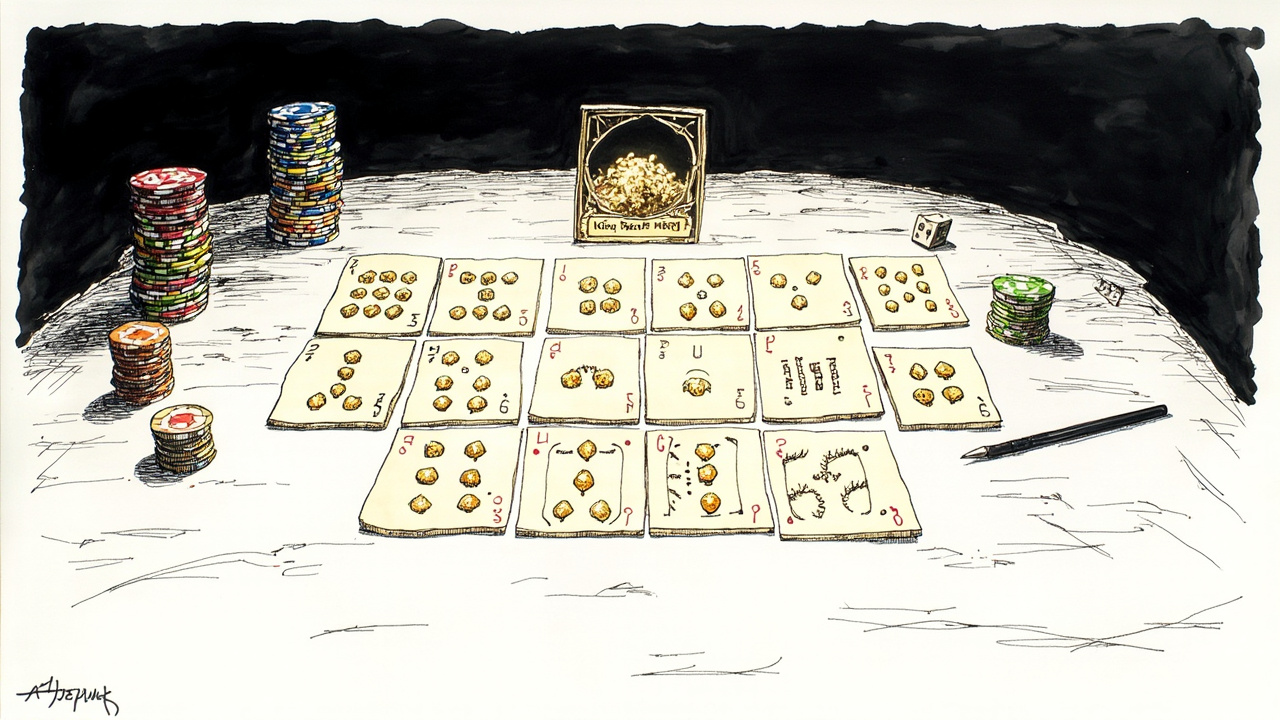
The core of any mines gambling game strategy is understanding what the grid is asking you to do. Each tile hides either a payout multiplier or a mine, and the odds shift as you pick more squares. A measured approach means deciding your target multiplier before you press spin, then sticking to it rather than letting a hot streak talk you into a riskier move. It is the same kind of discipline I have seen in sports rights deals, where a sponsor agrees to a fixed activation window and does not keep extending the campaign just because one weekend went well. Boundaries hold value because they are set before the noise starts.
A solid platform makes that discipline easier by showing the mine count, the multiplier ladder, and the auto-cashout option without hiding anything behind a wall of marketing copy. When the numbers are visible, you can map out a simple rule for yourself, such as cashing out at a set multiplier or reducing the bet after a string of losses. The game does not reward patience with guaranteed returns, but it does reward players who treat the grid like a controlled exercise rather than a impulse test.
Building a Routine That Fits the Game
Setting Your Bet and Cash-Out Rules
A workable mines gambling game strategy starts with a bet size that does not strain your entertainment budget. Pick a stake that lets you play several rounds without feeling the pressure to chase, then decide on a cash-out target that matches the risk you are comfortable carrying. Some players prefer a low multiplier they hit often; others wait longer and accept more variance. Neither approach is superior on its own, but both work better when the rule is written down before the round begins.
Good operators support that routine with features that keep you in control. Auto-cashout removes the temptation to overstay a round, and clear loss or win limits help you step away without having to make a snap decision. I have managed talent-led brand activations where the most important part of the plan was a hard stop time, because once the energy dips, the execution gets sloppy. The same logic applies here: a pre-set exit keeps the session from drifting into a place you did not intend to visit.
Reading the Paytable Without the Hype
The paytable is where the real information lives, and it is worth reading it the way you would read a media kit before signing a partnership. Look at how the multipliers scale, where the mines sit on different grid sizes, and whether the game gives you any sense of how the risk changes as you add tiles. None of that tells you what the next round will do, but it does tell you what you are buying into each time you press play.
A transparent product presents those details plainly and keeps the bonus mechanics separate from the base game so you know what rules apply when. If you are comparing options, a platform that explains its mines gambling game strategy features in plain language, with no hidden rounding or vague wording, is easier to judge. You can also check whether the site handles payments in AUD and whether the registration process is straightforward on mobile, because a clunky setup tends to distract from the actual play. If you want a side-by-side look at a different title while you are sorting your preferences, the legacy of dead slot page lays out its own mechanics in a way that makes comparison simpler.
Matching the Setup to Your Own Play Style
The right fit depends on how you want to spend your time, not on which marketing claim sounds loudest. If you like short, controlled sessions with a clear exit, a platform that offers quick cashouts, visible limits, and a simple mobile layout will suit you better than one that leans on flashy bonuses to keep you seated. If you prefer a bit more structure, look for a site that lets you set deposit caps and access support without digging through a maze of pages. legacy of dead slot
Trust and support matter here because mines is a fast, self-directed game, and you want an operator that treats account controls as a real feature rather than a compliance checkbox. Licensing and security should be easy to find, privacy should be handled carefully, and the support team should be reachable when a payment or account question comes up. I have seen sponsorship partnerships fall apart when the operational side was vague, and the same risk shows up in play when the controls are unclear. A platform that is open about its safeguards gives you a better base for any mines gambling game strategy you choose to run.

- Decide on a stake that fits your entertainment budget and do not move it mid-session to chase a result.
- Choose a cash-out target or turn on auto-cashout before you start the round.
- Check the paytable and mine layout so you know how the grid is set up.
- Set any deposit or loss limits the platform offers before you play.
- Keep the session short, step away when your rule is hit, and use support if anything about the account or payment needs checking.
A clear mines gambling game strategy is really a clear personal rule set, paired with a platform that lets you follow it without friction. If the operator shows the odds, offers real account controls, and keeps support and payments straightforward, you have a sensible base to work from. If those pieces are vague, no betting pattern will fix that. For Australian players who want a measured session rather than a drawn-out grind, the fit comes down to transparency and control, not the size of the promise.